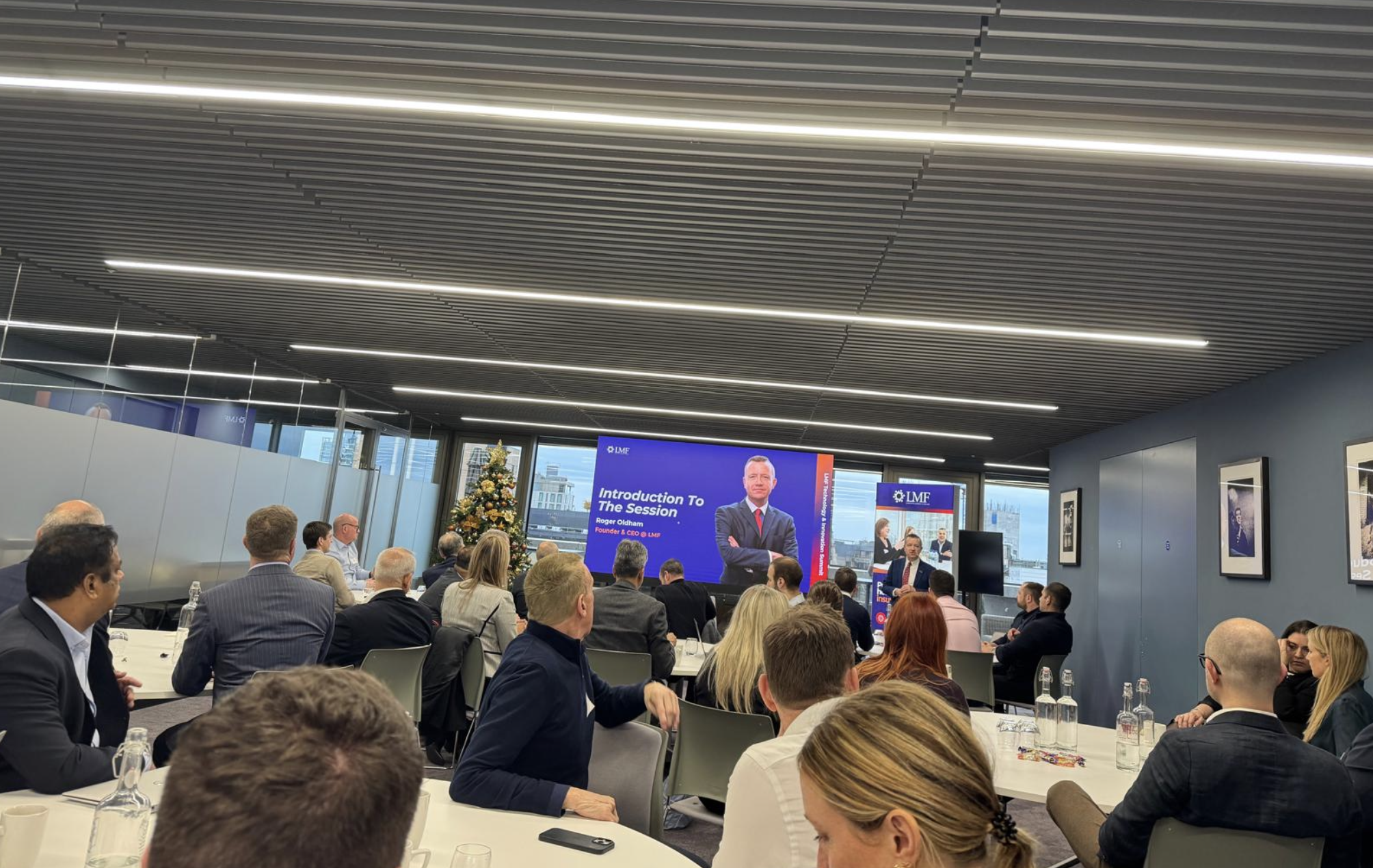
The London insurance market faces a critical juncture. At a recent London Market Forum event, industry leaders made one point unmistakably clear: the era of the generalist is finished. Specialisation is not just preferred, it's essential for survival.
This wasn't pessimism. It was pragmatism.
A market in transition
The delegated authority (DA) space is booming. Growing at 20% annually and now worth $260 billion, the opportunity is undeniable. Yet this growth masks a deeper challenge: the market's infrastructure hasn't kept pace with its ambitions.
Legacy systems, fragmented data, and inconsistent processes remain stubbornly entrenched. Managing agents face mounting pressure from Lloyd's, which aims to increase DA to 50% of its active underwriting, while PE-backed MGAs demand proper reporting and governance. The result is a market stretched thin, trying to serve multiple masters with outdated tools.
The three pillars of modernisation
1. Specialisation over generalism
As our very own Tony Russell, CRO, noted: "The day of the generalist is over, speciality is the way of the future."
This isn't about siloing expertise. It's about recognising that the market has become too complex for jack-of-all-trades approaches. Underwriters need specialists. Brokers need specialists. Technology providers need specialists. When everyone tries to do everything, nothing gets done well.
The implication is clear: partnerships matter. No single organisation can solve the market's challenges alone. Those who build strategic collaborations, focused on specific problems and deep expertise, will outpace those attempting to do it all.
2. Data quality and standardisation
If specialisation is the diagnosis, data quality is the medicine.
The market is drowning in fragmented, inconsistent data. Files arrive without headers. Unstructured datasets clutter underwriting workflows. Reinsurers absorb risk simply because brokers can't present clean information. The volume of data being collected has exploded, yet its quality hasn't improved proportionally.
This creates a vicious cycle: poor data quality necessitates manual intervention, which increases costs, slows decision-making, and creates audit risk. Technology can help, but only if the underlying data is sound.
The path forward requires stakeholder accountability. Carriers, brokers, and managing agents must collectively commit to data standards. Without this alignment, even the most sophisticated AI systems become expensive window dressing.
3. Acceptance of change
Perhaps the most overlooked challenge is psychological rather than technical.
The market is split. On one side are newcomers, a "whole new guard of people desperate for change, armed with AI." On the other are established players still operating on paper-based processes. The gap between these two groups is widening, and the friction is real.
This isn't simply resistance to technology. It's about changing workflows, governance, and even company culture. One panelist observed that "the tech cannot magically change everything", the market has to work to change its processes first.
Lloyd's acceptance of DA has shifted, but broader acceptance of market-wide modernisation remains elusive. The mindset must shift from "this is how we've always done it" to "this is what the market needs."
The challenges ahead
Several obstacles emerged from the forum discussion:
Legacy system integration: Many organisations maintain two parallel systems, one legacy, one new. The cost and complexity of data migration is enormous, and many firms lack the appetite for disruption.
Too many choices: Rather than consolidating on platform standards, the market has fragmented. Underwriters pigeon-hole themselves into specific platforms, reducing flexibility and creating provider lock-in. A solution provider can become legacy overnight.
Stakeholder misalignment: The market still struggles to align on priorities. Brokers, carriers, managing agents, and reinsurers all have different incentives. Without consensus, progress stalls.
The M&A challenge: Mergers and acquisitions cascade through systems. Different legacy platforms, incompatible data structures, and fragmented underwriting processes create a financial and operational nightmare.
The message from industry leaders is consistent: we must all collaborate, prioritise data quality, and accept that meaningful change, while difficult, is non-negotiable.
The question for every market participant is simple: are you ready to specialise, or will you become legacy?